How COVID-19 has accelerated our path toward the future of work
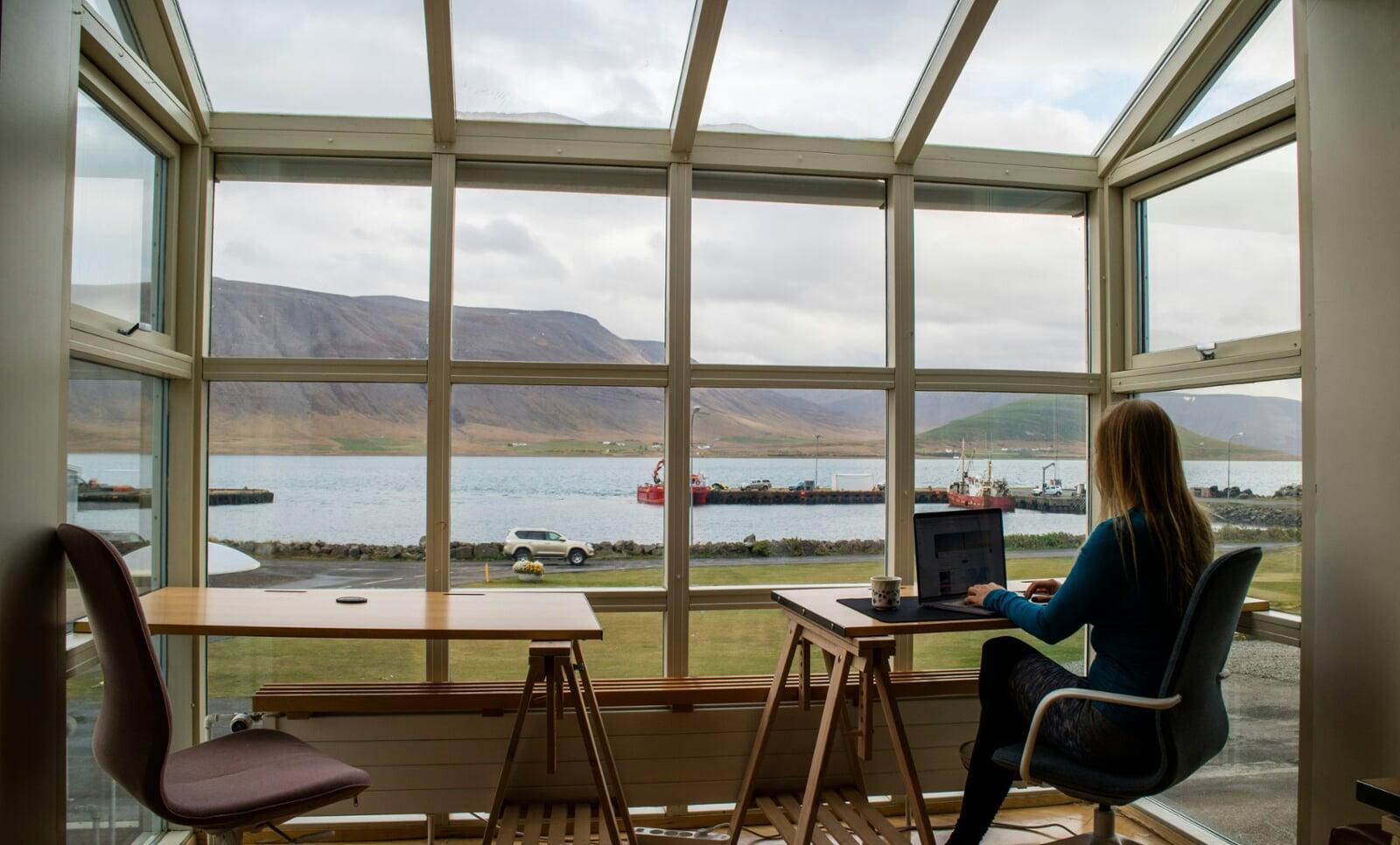
With most businesses now operating remotely, many leaders are struggling to manage their teams effectively. This situation is so new and unprecedented that many professionals haven’t yet built the skills needed to lead remote teams.
Across the globe, businesses are feeling the impact of COVID-19, as they work to shoulder financial burdens and build resilience for the future. Both employers and employees are preparing for the reality of a permanently changed workplace.
According to a study conducted by States of Play, a joint CNBC/Change Research survey of swing states24% of employees revealed they’d like to work from home once the economy reopens. 55% of respondents said they’ll be heading back to office life, while 20% are shrugging due to uncertainty.
It’s not just employees considering the future though: Gartner, Inc. recently surveyed CFOs and finance leaders, questioning what their plans were moving forward. A whopping 74% plan on moving at least 5% of their workforce from in-house positions to fully remote ones. Alexander Bant, Practice Vice President at Gartner said,
“This data is an example of the lasting impact the current coronavirus crisis will have on the way companies do business. CFOs, already under pressure to tightly manage costs, clearly sense an opportunity to realize the cost benefits of a remote workforce. In fact, nearly a quarter of respondents said they will move at least 20% of their on-site employees to permanent remote positions.”
With the sudden shift to the “new normal,” businesses and employees had to quickly adapt new practices to stay connected with colleagues, customers, and vendors. Now that the initial response to remote work is behind us, many are trying to assess the long-term impact of the crisis on the workplace.
As the focus shifts to the future, COVID-19 will undoubtedly leave a lasting mark on work culture—especially in areas like empathy, transparency, and building trust within a company. In addition to these, here are four other shifts that will become more prevalent for those who not only survive but thrive post-COVID-19.
Strengthening Communication Methods
As businesses operate virtually, both employers and employees have had to enhance the frequency and effectiveness of their communication. With the shift away from traditional hierarchies, leaders must ensure seamless information flow across their teams. In a distributed environment, leaders have no choice but to become better communicators to survive. Decisions made by localized teams without involving remote colleagues can have serious negative consequences—collaboration and inclusion are now essential.
Connected leaders will facilitate quicker decision-making, remove roadblocks through collaboration, and build governance structures that give employees the tools for clear, transparent communication, no matter where they work.
Shifting to a Performance-Focused Culture
Remember the anxiety of arriving to work late due to a missed alarm or traffic? In the “new normal,” performance won’t be measured by who clocks in first or stays the latest. Instead, employees will be evaluated on the quality of their work and the deliverables they produce—not when they arrived or how long they took (though deadlines and clear expectations will still matter).
This outcome-driven model will shift employee focus, with value and performance becoming the primary motivators. Companies will need to set clear, concise expectations based on overall goals and priorities, rather than tracking each individual task.
Increasing the Number of Remote Workers
Even before the pandemic, digital transformation was set to disrupt traditional office life. When the virus hit, companies had to pivot quickly, finding ways to serve customers remotely. Schools moved to virtual learning, healthcare expanded telemedicine, and fitness studios began streaming classes online.
The crisis accelerated the adoption of strategies that were still in early stages before COVID-19. With many employees thriving remotely, companies now have the chance to capitalize on cost savings (like reduced overhead) and broaden their talent pool, as physical location is no longer a limiting factor in hiring.
Respecting Work-Life Balance
Before the pandemic, "work-life balance" often made employers cringe, seen as a Millennial demand. But now, leaders are recognizing the flaws of enforcing a strict 9-5 schedule. With productivity at an all-time high, flexibility has become essential. When employees are given the freedom to work in ways that fit their personal lives, performance and quality rise. Successful organizations will be those that embrace work-life balance as part of their culture, supporting their teams without sacrificing results.
COVID-19 has driven noticeable changes in both personal and professional life. As businesses reopen, leaders have the chance to shift old perspectives and integrate new rules and expectations into their workplace culture. To inspire growth during this transition, leaders need self-efficacy and clear strategies to ensure a smooth process.
This is the perfect time to invest in both personal and professional development. Just like a fitness coach helps you reach health goals, an executive coach can help you implement strategies for thriving in this new work environment. Empathy and emotional intelligence are key drivers of motivation, and bringing purpose into your leadership will have a lasting impact. Partnering with a coach will give you the tools to keep teams focused on hope rather than fear, improve productivity, boost morale, and drive business growth.