Maintaining Productivity when adopting a Remote Work Lifestyle
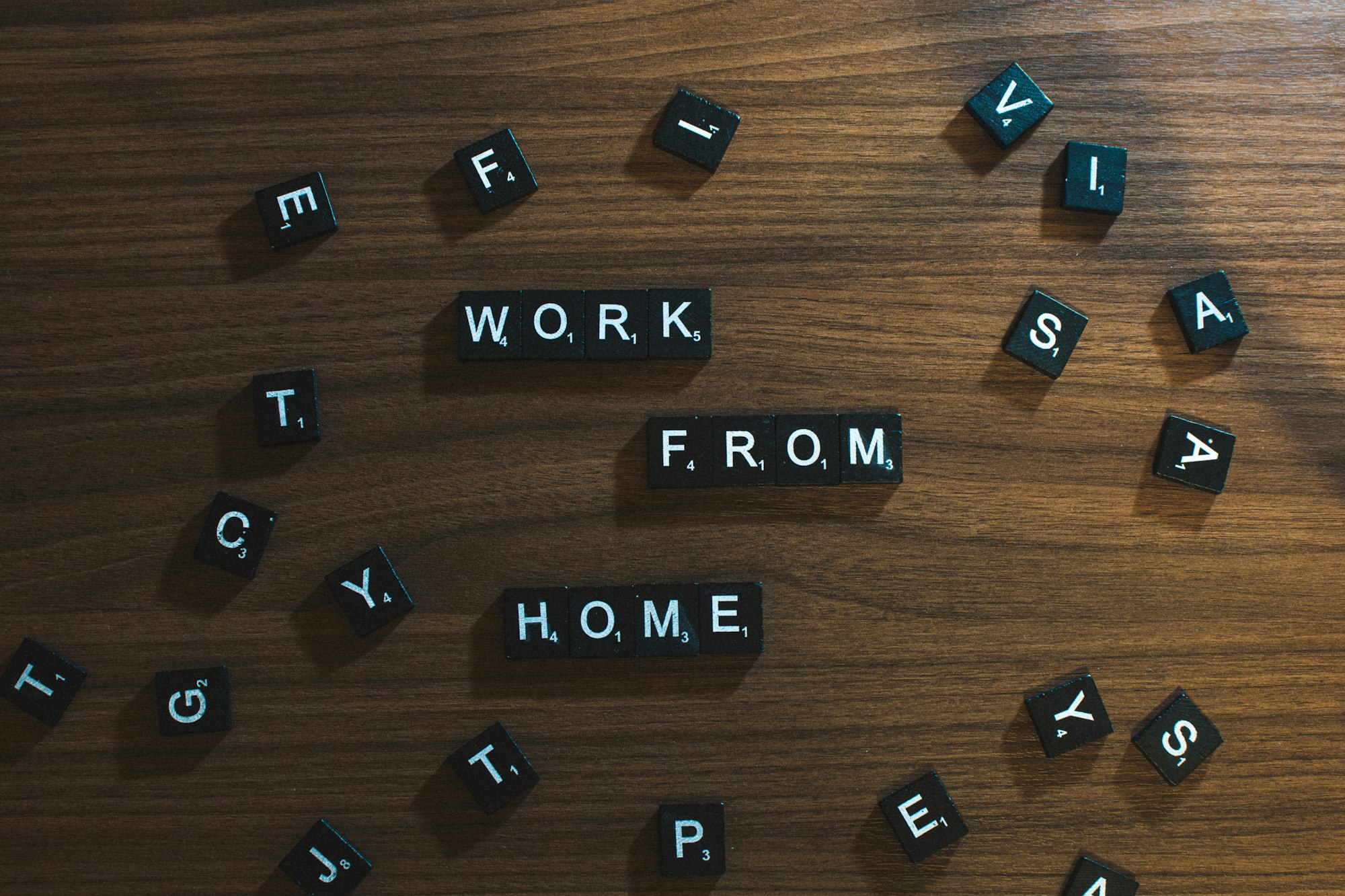
Whether your company’s office is still closed due to local guidelines or you’re preparing to reopen, you’ve now experienced the reality of remote work. Some companies, like Twitter, Coinbase, Shopify, and Facebook, have taken it further, offering employees the option to stay remote permanently.
According to the latest CNBC|Survey Monkey study:
“nearly half of all people in the workforce (48%) indicate they’ve been able to do their jobs remotely in recent weeks. In the survey, remote workers reported higher levels of job satisfaction than those still going into the office. Many workers say they want to keep working from their improvised kitchen table offices, with their spouses, children, and dogs as their new coworkers.”
Over 25% of tech workers have stated they’d prefer to work remotely permanently. In the post-pandemic labor market, this shift could cause major disruption, especially among Silicon Valley employees.
Sounds like a dream, right? Until your dog develops an irrational hatred for Zoom calls, your cat insists on lounging on your keyboard, and your neighbor seems to be testing power tools for hours on end. And what is that strange beeping coming from the other room?
Is a remote environment really more productive? With discipline, it can be. In the office, you have social benefits, but constant interruptions can kill your workflow. At home, you're in charge of staying focused. Sure, you don’t need to wear pants, but you also have to tune out distractions and keep yourself motivated—because no one’s watching.
So how do you maintain focus, drive, and sanity while working remotely? Based on my own experience, here’s what I’ve learned, the strategies I use, and the importance of setting boundaries.
Pretend You’re Still Going Into the Office
Every weekday is still a workday, even from home. Stick to a morning routine that reconditions your mindset to treat remote work like being in the office. Set your alarm, resist the snooze button, grab your coffee and breakfast, and dress to impress. Sure, pajamas are tempting, but sticking to your usual routine—including putting on business attire—helps create the structure and focus you need to get into work mode.
Take Breaks
Sitting at your desk for hours isn’t great for your health. Get up, stretch, or go for a quick walk every hour to get your blood flowing. Even 10 jumping jacks or pushups by your desk can boost productivity and refresh your mind when you return to work. And just to be clear, scrolling through social media doesn’t count as stepping away from your workspace.
Stay Hydrated & Don’t Forget to Eat
Part of self-care is staying hydrated. Avoid overloading on caffeine—drink plenty of water instead. It not only keeps you nourished but also prevents that mid-day crash. As a bonus, staying hydrated helps curb hunger and keeps you from making too many trips to the pantry for snacks.
Exercise Self-Care
Many managers worry their employees are binge-watching Netflix instead of working, but research shows the opposite—people are working more hours remotely because there’s no clear end to the day. Without coworkers packing up to leave, the lines blur. While this can boost productivity, it also raises the risk of burnout. To avoid that, set and stick to your own “remote hours.” It’s crucial to separate work from home, even when both exist in the same space.
Establish Your Environment
Creating a dedicated workspace is key to setting boundaries between work and home, shifting your mindset, and boosting motivation. Whether it’s an entire room or a corner of the kitchen table, having a defined area for work helps you focus and signals to those around you—family or roommates—that you’re officially “at work.” Just like headphones in a cubicle, your setup communicates “Do Not Disturb.” Make sure your space is comfortable (investing in a decent office chair is worth it), but remember—the couch is not a productive workspace.
Communicate
Make sure to communicate your ground rules and work hours to your roommate, significant other, or family. This helps you stay accountable and reduces interruptions. Of course, unexpected things happen—like an Amazon delivery during a key sales call or your cat jumping on your keyboard mid-video conference. We all remember Professor Robert Kelly’s viral BBC interview. Life happens. While not everything is avoidable, being proactive—like using a "Do Not Disturb" sign or moving to a quieter spot—can help minimize disruptions.
Habit Formation
Many people choose to work with a personal coach to help navigate this transition. Coaching supports individual needs and helps build new habits (lack with habit stacking) that align with your goals. By establishing these habits, you’ll get into the right mindset each day and ultimately boost your productivity.
Tieing it all together
Focusing on these areas has been incredibly beneficial for me, my colleagues, and the people I’ve coached. Without clear boundaries or routines similar to those in the office, you risk either working 12-hour days or getting sidetracked by distractions. Try implementing these practices to make your work-from-home experience as productive and successful as possible.